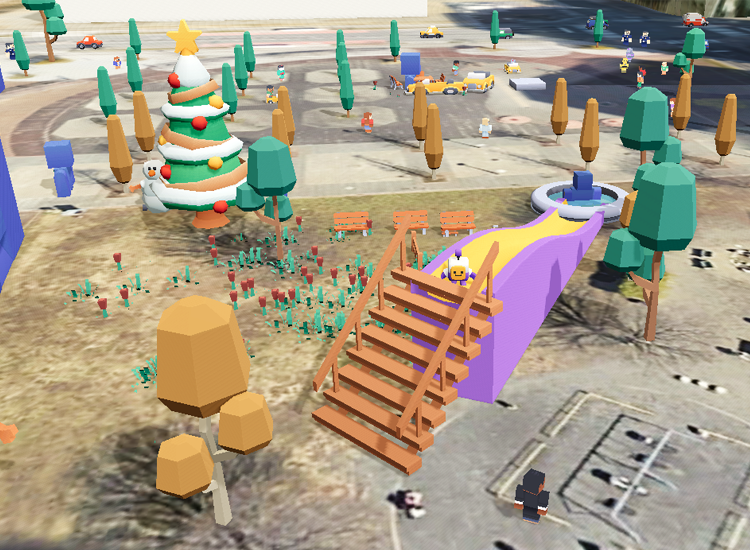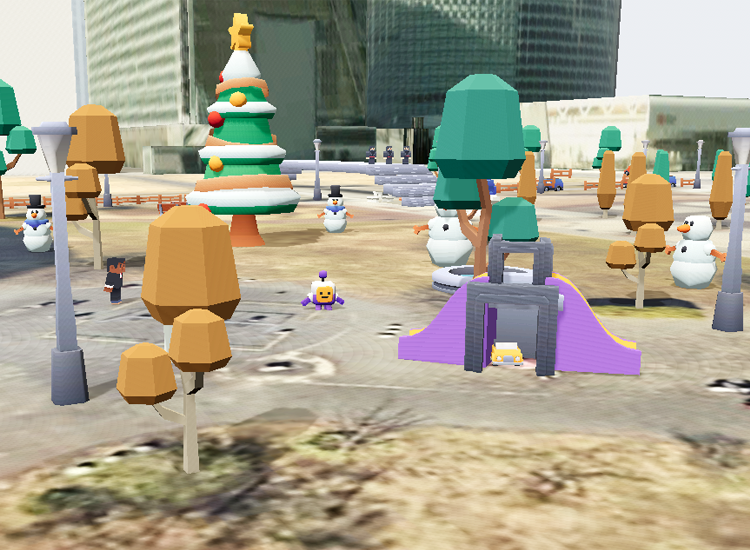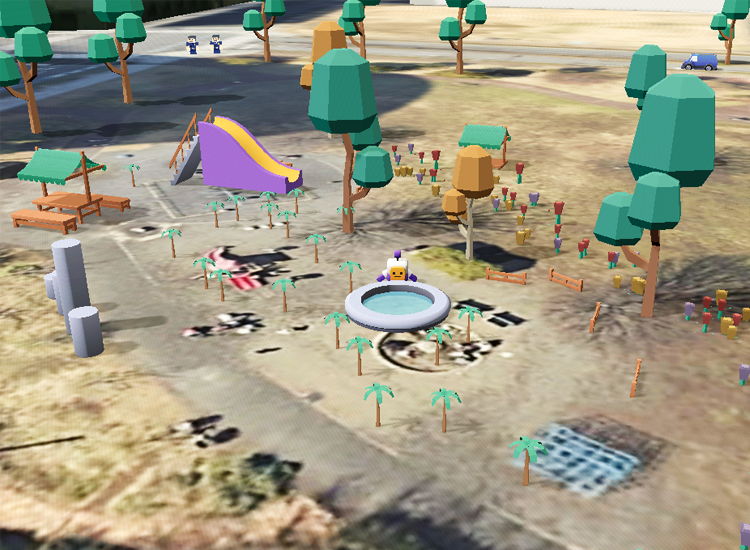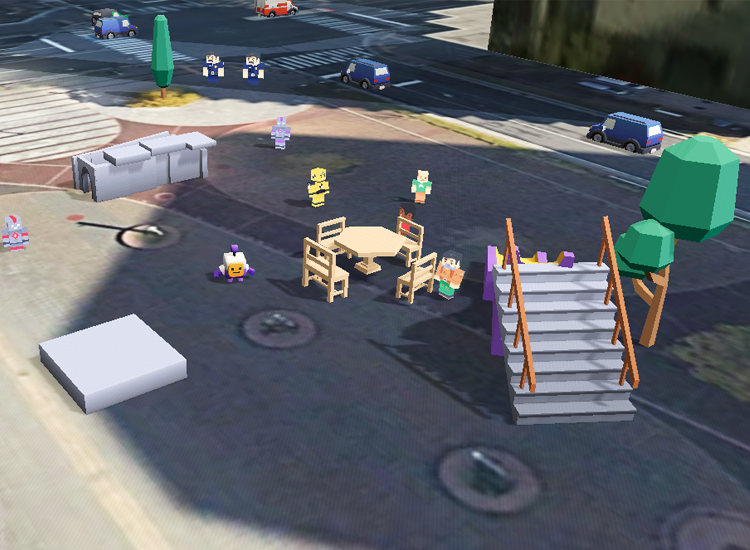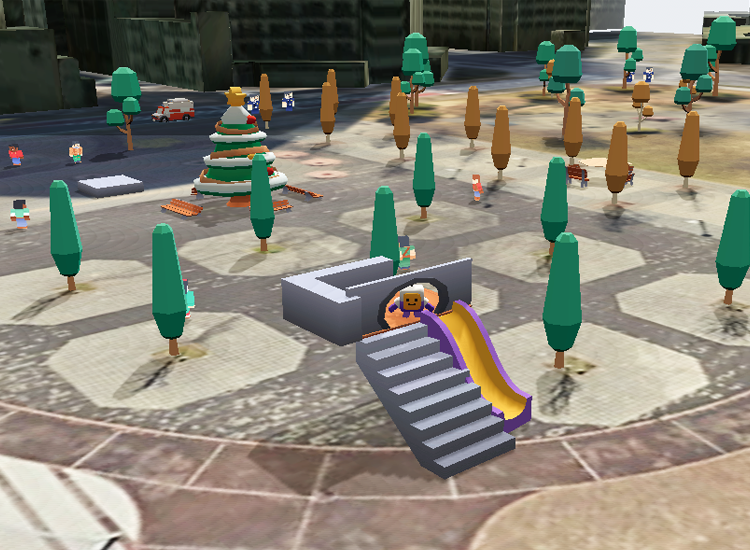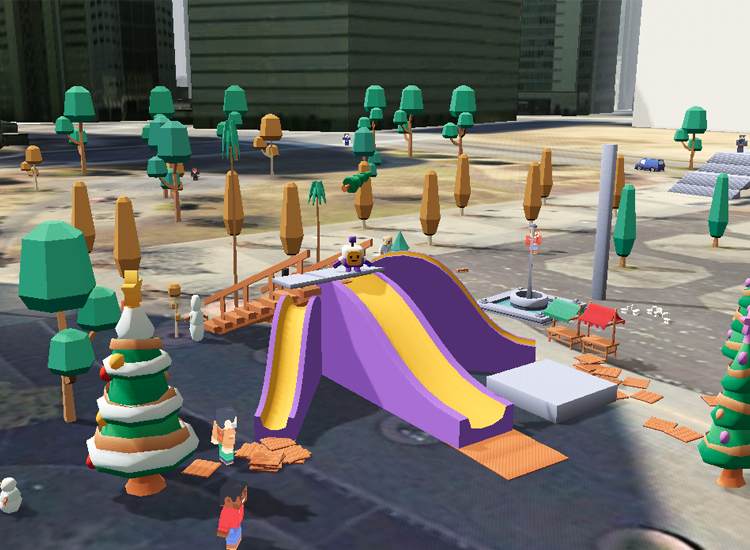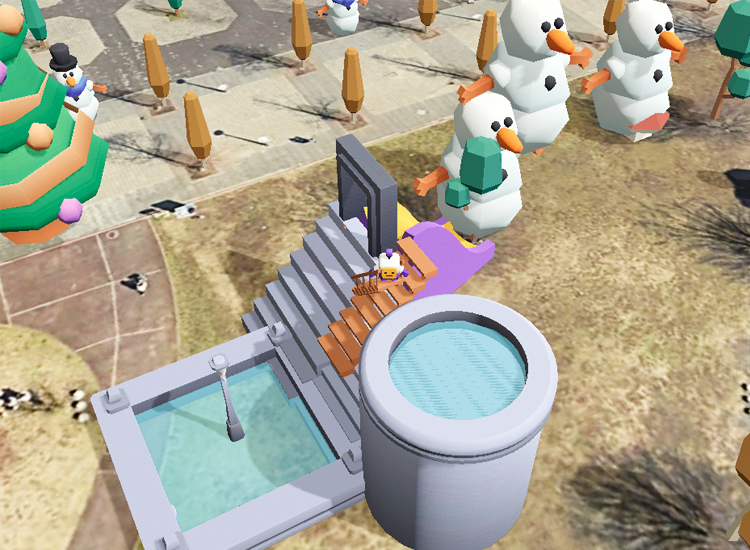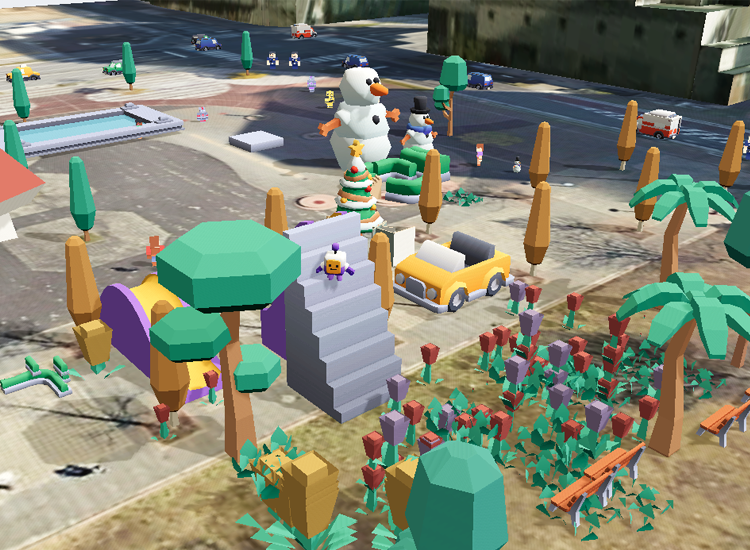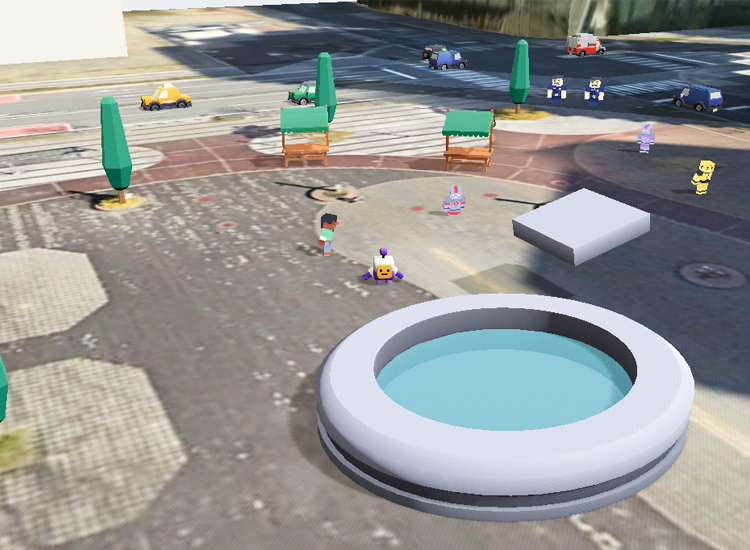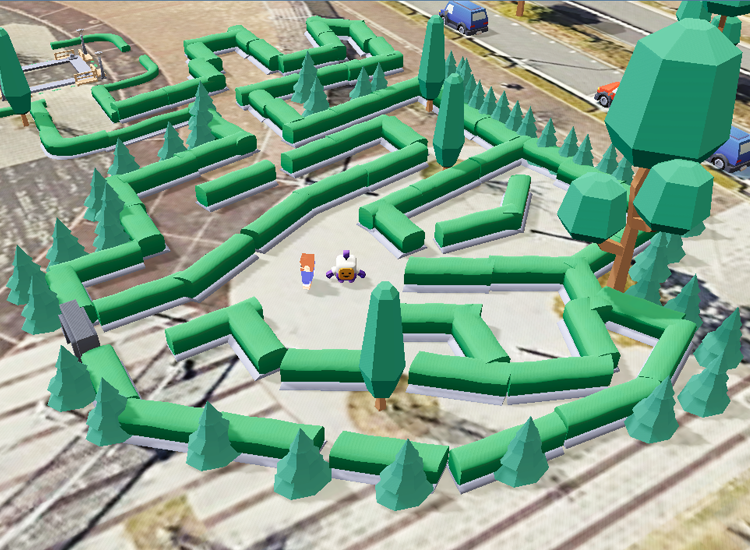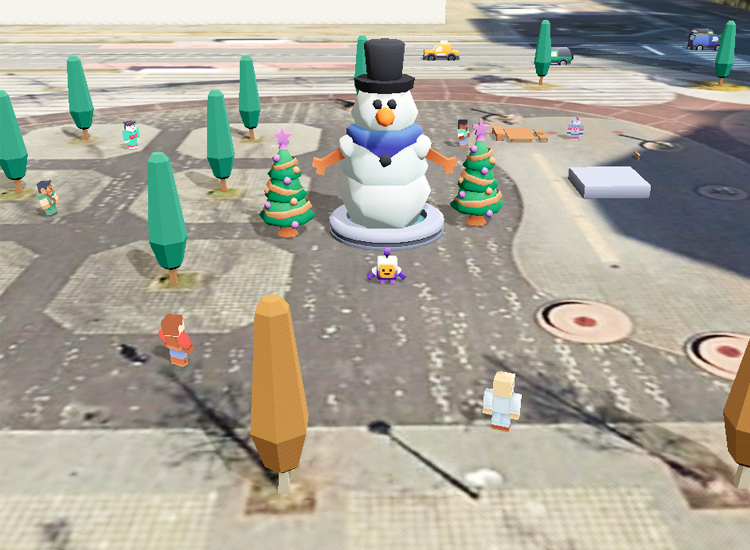
This project empowers children to become active participants in their city's future. By integrating Game-Based Learning (GBL) into urban planning, we transform complex civic challenges into engaging, proactive experiences. It is crucial to offer the younger generation tools that spark curiosity and foster a sense of ownership over their environment, moving beyond passive learning to active creation.
本プロジェクトは、子供たちが都市の未来における能動的な参加者となることを支援します。ゲームベース学習(GBL)をまちづくりに統合することで、複雑な市民課題を魅力的で主体的な体験へと変革します。受動的な学習を超え、次世代の好奇心を刺激し、環境に対する当事者意識を育むツールを提供することは極めて重要です。
The boundaries between architecture, urban design, video games, and education are rapidly blurring. Today, architects and game designers share the same sophisticated tools—such as real-time 3D engines—and similar methodologies. We leverage this convergence to teach spatial thinking and collaborative design, demonstrating that the logic of game level design can effectively inform real-world community planning.
建築、都市デザイン、ビデオゲーム、そして教育の境界線は急速に曖昧になりつつあります。今日、建築家とゲームデザイナーは、リアルタイム3Dエンジンのような高度なツールや類似した方法論を共有しています。私たちはこの融合を活用して空間的思考や協調的デザインを教育し、ゲームのレベルデザインの論理が現実のコミュニティ計画に有効であることを実証します。
若者の参加における課題
Youth participation in Japan faces cultural and structural hurdles:
ゲームベース学習(GBL)の利点
Video games act as a "protective mediation" and enhance spatial thinking:
Don't read about it, experience it !
Take a moment to explore the 3D environment and have fun with the design tools before digging into the research.
読むだけでなく、体験してください。研究の詳細に進む前に、3D環境を探索し、デザインツールを楽しんでみてください。
遊び方
Click on one of the 12 Groups or select "Base" to explore the original workshop environment.
12のグループ、または「Base」(ワークショップの基本環境)のいずれかをクリックして選択してください。
This project explores the fusion of Machizukuri (Japanese participatory planning) and Game-Based Learning (GBL) using open-source tools. It aims to engage youth in urban design through gamification and 3D modeling.
本プロジェクトは、オープンソースツールを用いて「まちづくり」と「ゲームベース学習(GBL)」の融合を探求します。 ゲーミフィケーションと3Dモデリングを通じて、若者の都市デザインへの参加を促進することを目的としています。
使用ツール・リソース
We propose an open-source workshop framework structured in 5 phases.
5つのフェーズで構成されるオープンソース型ワークショップの枠組みを提案します。
データ取得
Field observation and usage of PLATEAU (GIS) open data.
現地調査およびPLATEAU(GIS)オープンデータの活用。
目標によるデザイン
Mission-based design (e.g., creating shade, installing benches).
ミッションに基づくデザイン(例:日陰の創出、ベンチの設置など)。
協調的モデリング
Co-design and 3D modeling experience.
共同デザインおよび3Dモデリング体験。
インタラクティブな探索
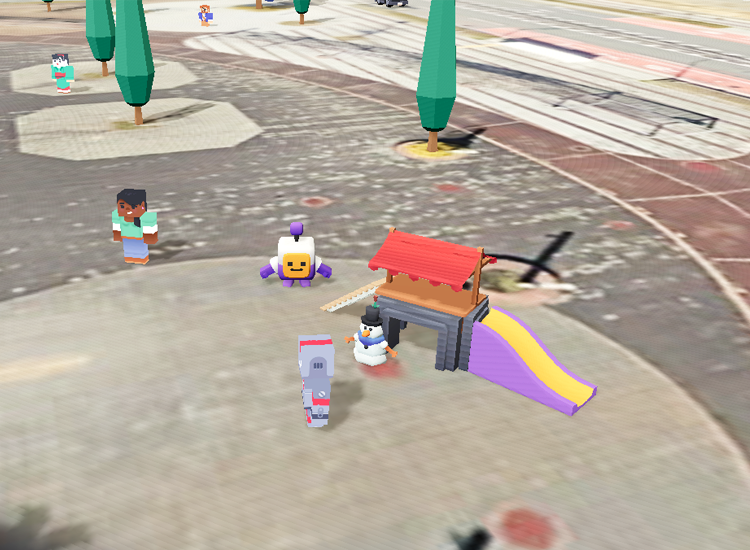
Exploring the designed space with Third Person Controller.
サードパーソンコントローラーを用いたデザイン空間の探索。
評価
Survey evaluation of interest in community design and IT.
まちづくりやITへの関心に関するアンケート評価。
共有!
Saving projects to foster pride, enabling collaborative improvements post-workshop.
作品を保存して誇りを持ち、ワークショップ後も協力して改善を続けます。
FOSS4G 2025 Presentation
5つのステップによる方法論
17 December 2025, Yokohama, Japan
The session is organized into 6 groups (approx. 5 students per group), each supervised by a university assistant.
各グループ(約5名)に大学生スタッフ1名が配置され、計6グループでセッションを進行します。
導入
Explanation of the day's flow and division into groups. Movement to the computer room.
当日の流れの説明、グループ分け、およびコンピュータ室への移動。
モデリング
協調的デザイン:「みんなのまち みなとみらい」
One representative operates the software while the group discusses ideas to improve accessibility and safety.
代表者1名が操作を担当し、グループ全員でアクセシビリティや安全性について議論しながらアイデアを形にします。
発表・講評
Each group presents their concept (5 minutes), followed by critiques from professors and researchers.
各グループによるコンセプト発表(5分)と、教員・研究者による講評およびフィードバック。
1. ミッション
2. アセットの設置, 編集
3. アセット リスト
4. キャラクター操作
スタッフへの指示
Game Based Learning (GBL) とまちづくり: 日本における若者参加型都市計画のゲーミフィケーション
L. Martial, H. Kubono, S. Miura
JSCE, The 72nd Conference on Infrastructure Planning and Management, 2025/11/21
This paper examines the intersection of machizukuri, Japan’s collaborative, bottom-up approach to community planning, and the growing field of game-based learning.
本論文は、日本の協調的でボトムアップな地域計画アプローチである「まちづくり」と、発展しつつあるゲームベース学習(GBL)分野との交点について考察します。
都市はゲームではない:ビデオゲームとスマートシティによる都市開発のアプローチと課題
L. Martial
Géographie et cultures, 109 | 2019, 55-72
https://doi.org/10.4000/gc.9986
City-builder video games and smart city initiatives face parallel criticisms regarding their algorithmic, uniform visions of urbanism and potential disregard for the individual. This article synthesizes these distinct fields by contrasting the evolution of city-builders with smart city ambitions. It demonstrates that both domains share fundamental risks concerning opaque processes and standardized urban development.
都市建設ゲームとスマートシティは、アルゴリズムによる最適化を重視する一方、画一的な都市観や個人の軽視といった共通の批判に直面している。本稿は、これまで個別に論じられてきた両分野の関連性を検討する。ゲームの発展過程とスマートシティの理念を対比することで、プロセスの不透明性や標準化された開発手法に内在する共通のリスクを明らかにする。
Chuo University, Faculty of Science and Engineering
中央大学 理工学部
川上 輝
Student (M1)
平野 真生
Student (M1)
小川 泰雅
Student (B4)
越川 慧大
Student (B4)
小熊 征太郎
Student (B4)
挾間 瑞喜
Student (B4)
Formula 1 Pilot